How Packaging Design Influences Skincare Buying Decisions
Topic:
Packaging Design
Year:
10 December 2025
The Psychology Behind Skincare Packaging Design
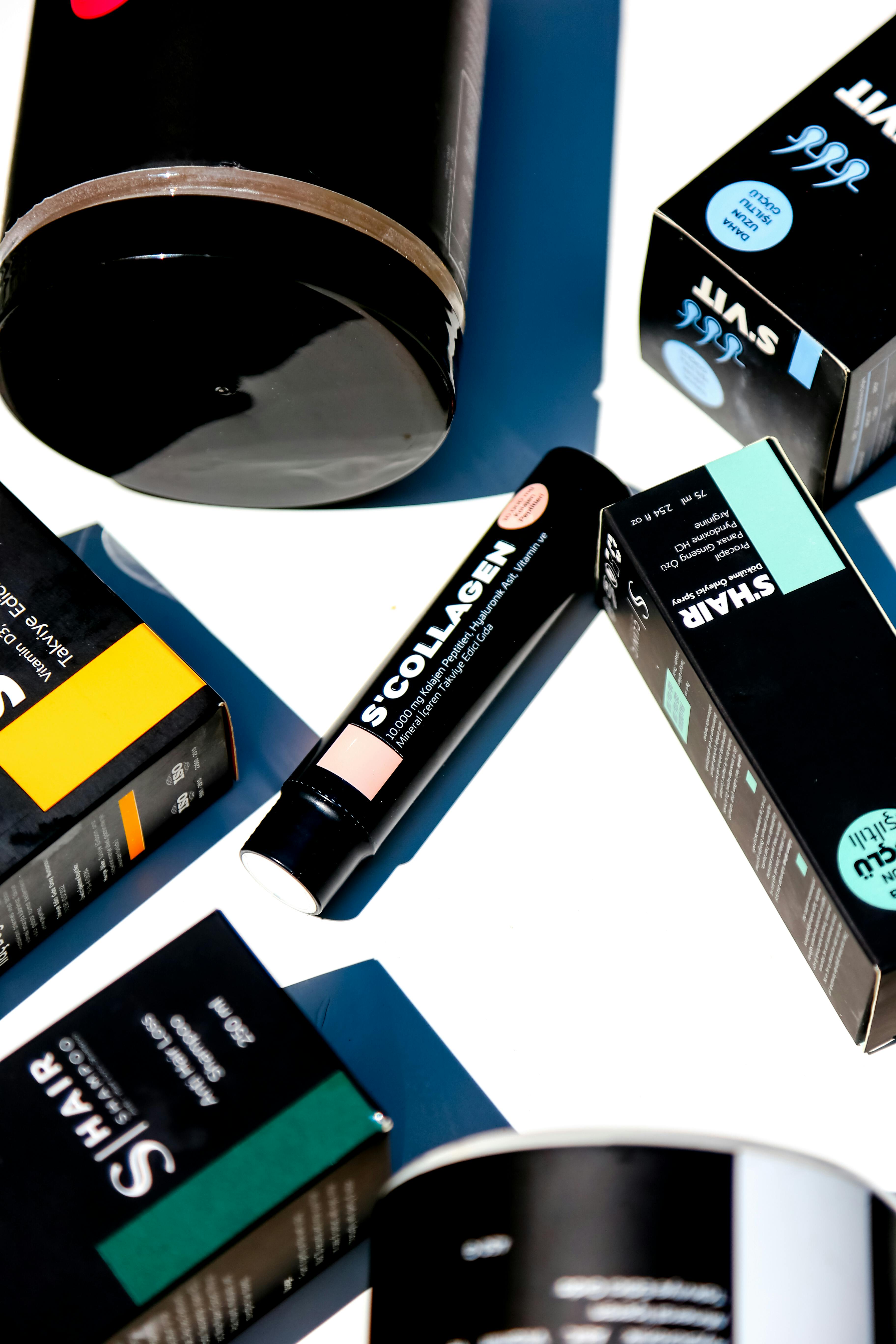
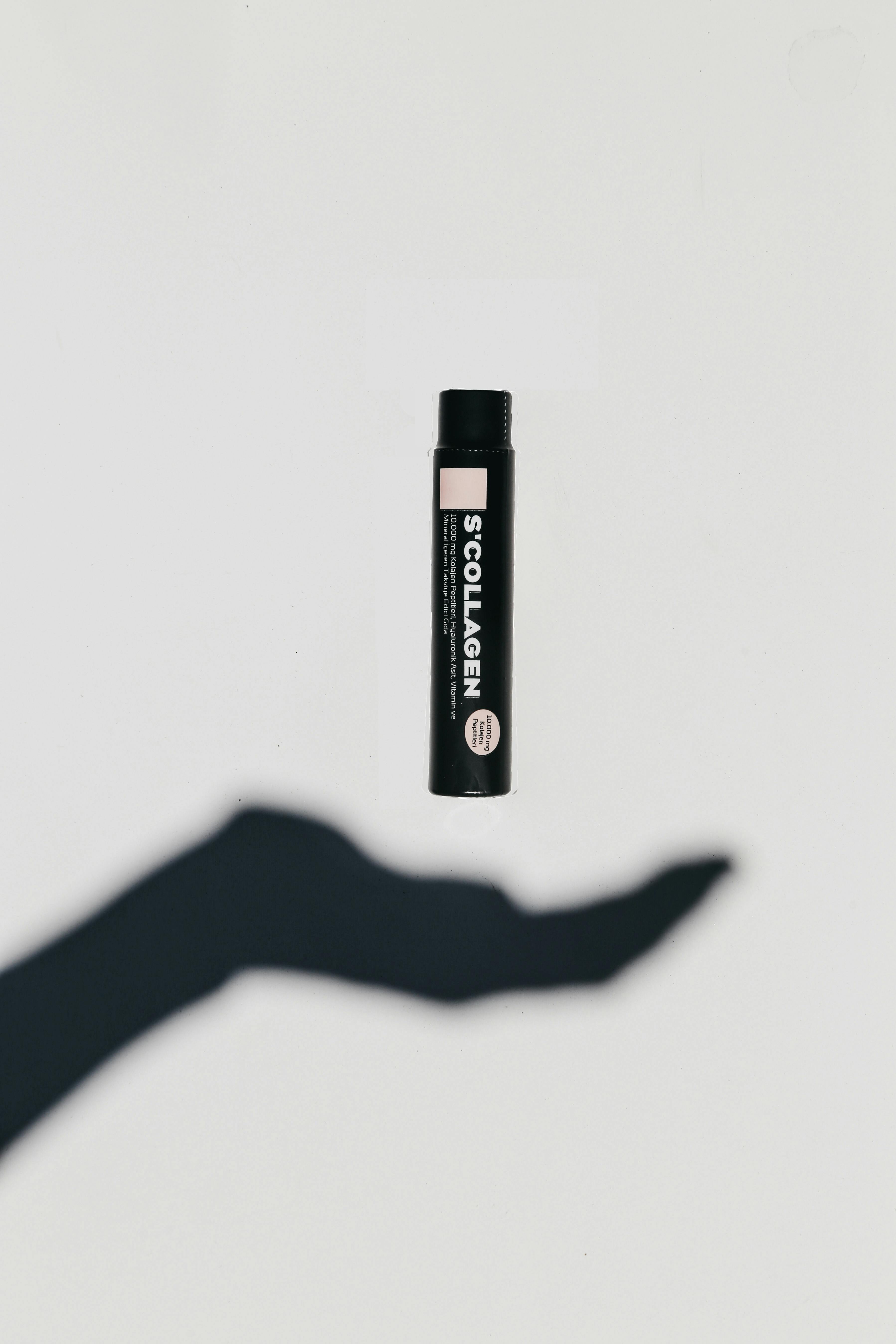
Skincare packaging is deeply rooted in consumer perception and behavioural psychology. For example, brands targeting acne-prone or oily skin often use clinical colour schemes like white, blue, or green to convey cleanliness and efficacy. In contrast, anti-ageing or luxury skincare lines frequently incorporate gold accents, frosted glass, and serif fonts to evoke sophistication and high performance. Even the weight of the packaging can influence perception - heavier containers are commonly associated with higher quality and more potent formulations.
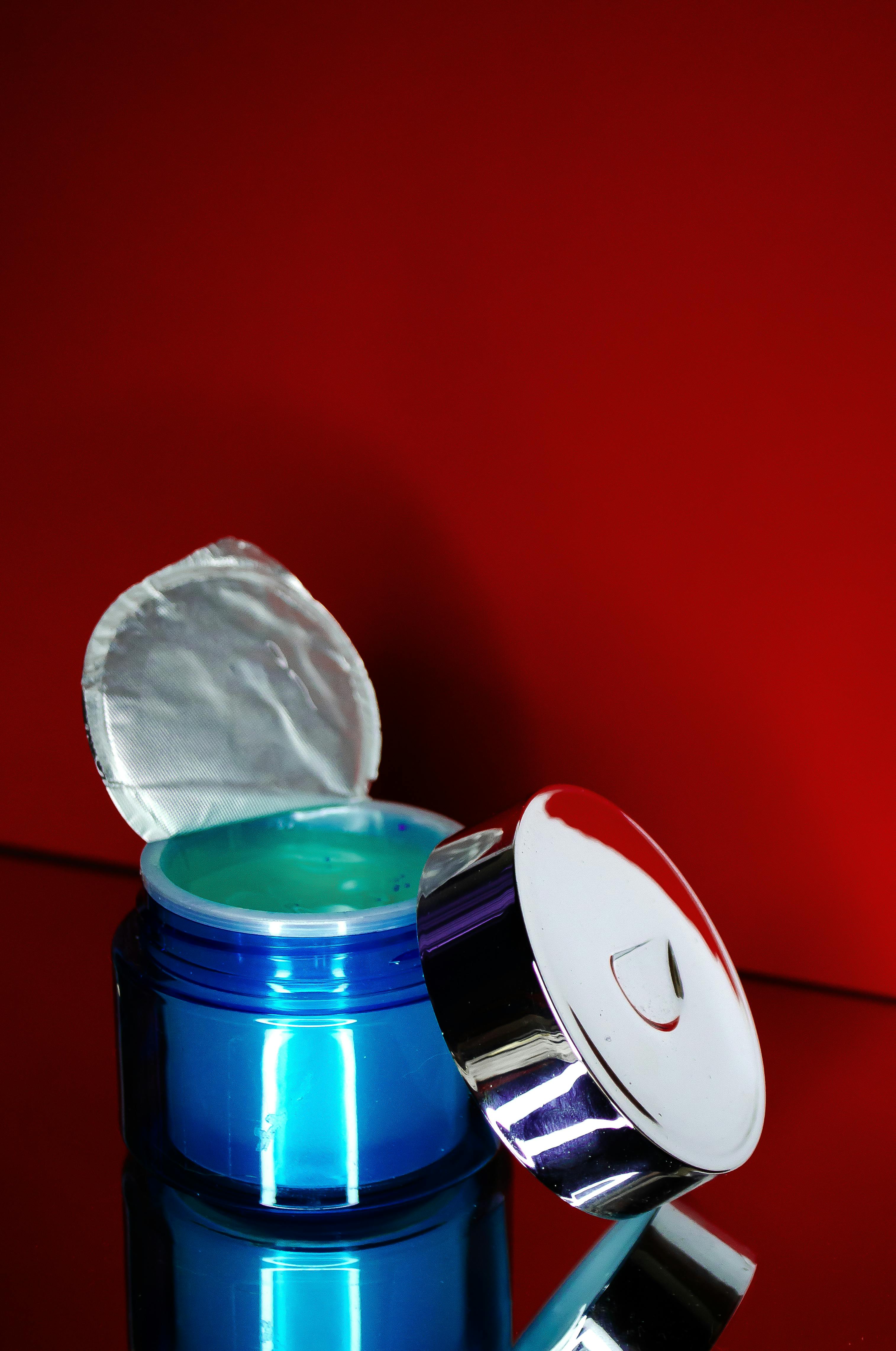
Functionality also plays a direct role in purchase decisions. Products packaged in airless pumps are often perceived as more hygienic and effective because they protect active ingredients like vitamin C or retinol from oxidation. Dropper bottles suggest precision and customisation, appealing to users who want control over dosage. On the other hand, jar packaging can deter informed consumers due to concerns about contamination and ingredient degradation. These details don’t just enhance usability; they actively shape trust and perceived product efficacy.

How Packaging Builds Brand Trust and Differentiation
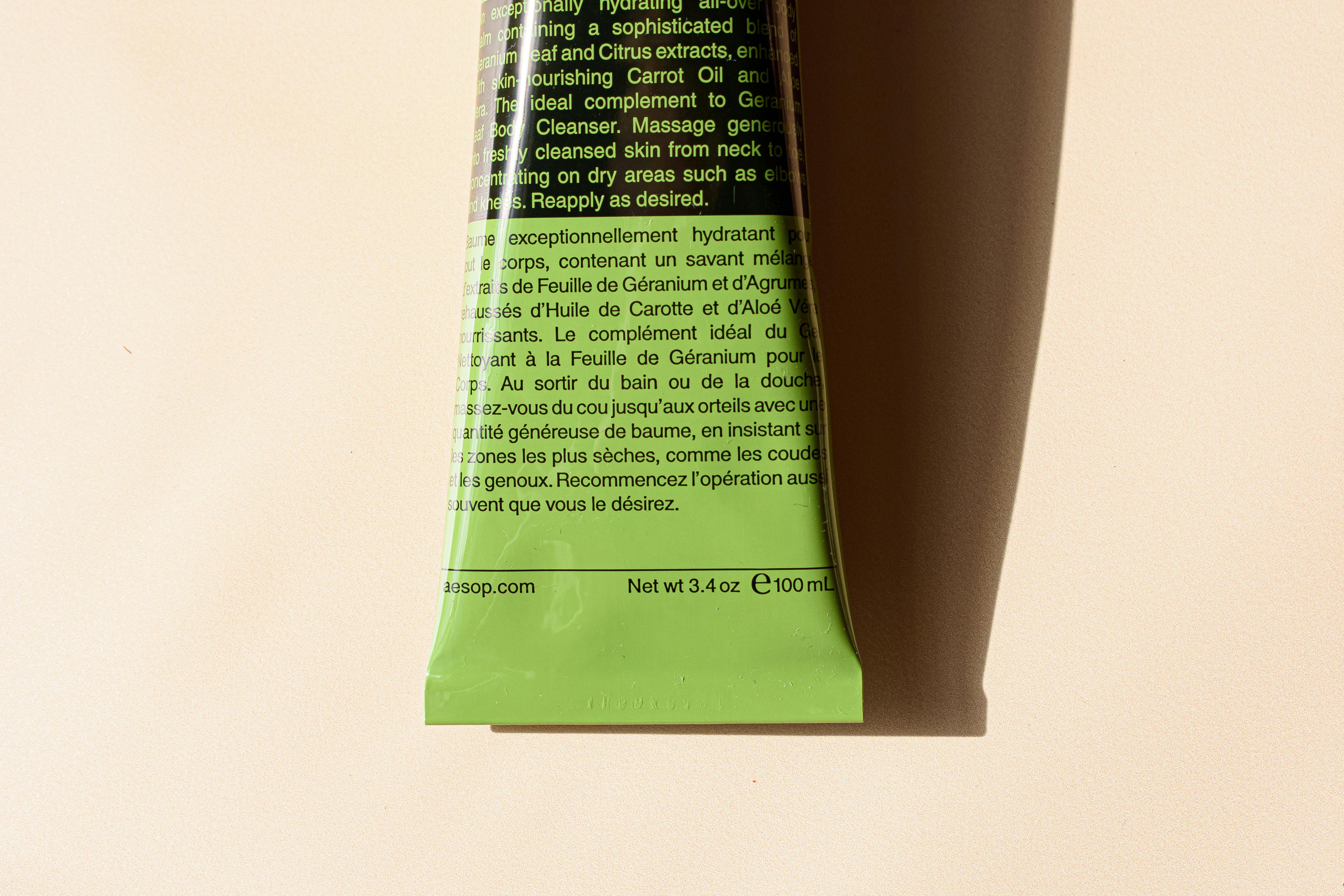
In a market saturated with similar formulations, packaging is a key differentiator that helps brands stand out. Clear labelling of active ingredients, percentages, and skin benefits allows consumers to make quick, informed decisions, especially when comparing products in-store or online. Brands like The Ordinary have successfully leveraged this approach, using simple, clinical packaging to emphasise transparency and ingredient-focused skincare, which resonates strongly with educated consumers.
Sustainability has also become a critical factor influencing buying decisions. Skincare shoppers are increasingly drawn to brands that use recyclable materials, refillable systems, or reduced packaging. For instance, aluminium tubes, glass containers, and compostable outer packaging can signal environmental responsibility and justify a higher price point. When brands integrate sustainability into both their packaging design and messaging, they not only appeal to eco-conscious consumers but also build long-term brand loyalty.
Ultimately, skincare packaging is no longer just about aesthetics - it directly impacts how a product is perceived, trusted, and repurchased. By aligning design choices with consumer expectations, skin concerns, and lifestyle preferences, brands can create packaging that drives both immediate conversions and lasting customer relationships.
Sources: